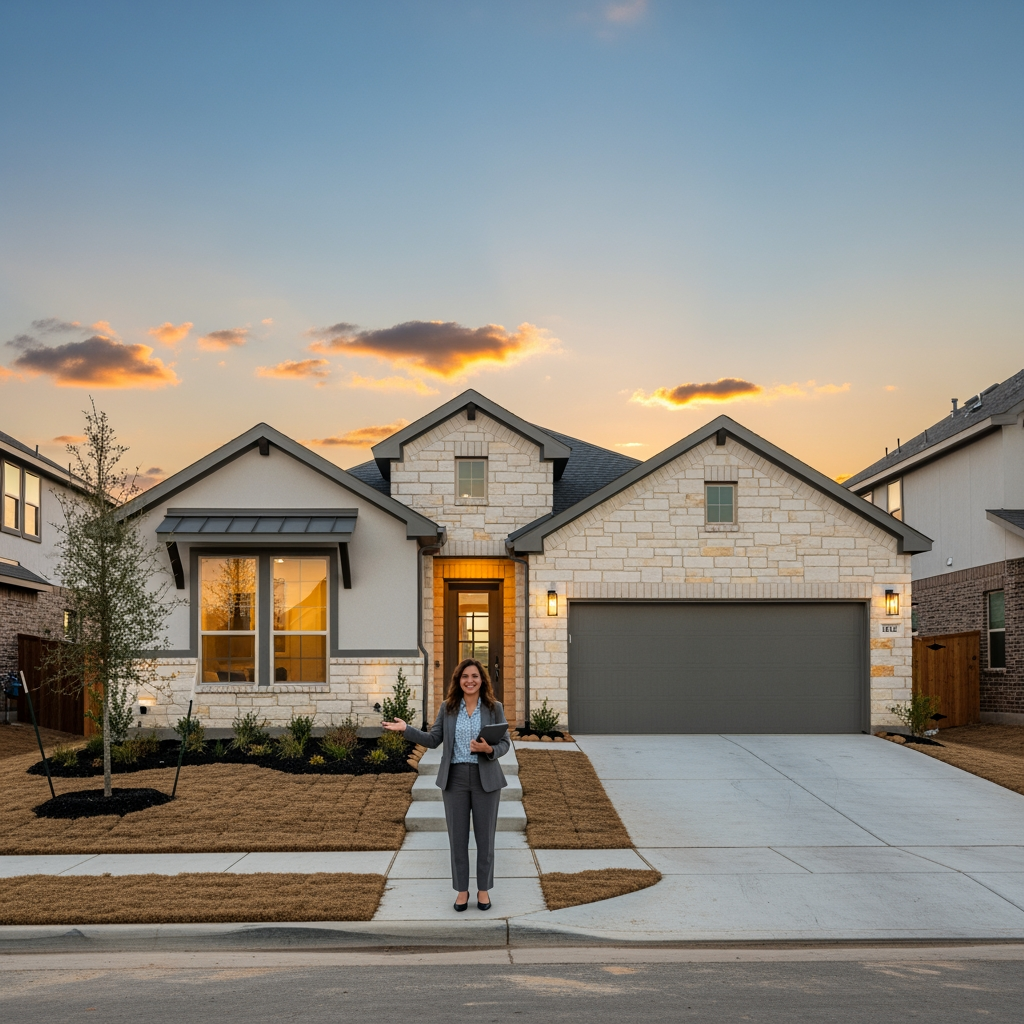
I love helping people sort through their options, and if you’re looking for single-family homes for sale in San Antonio, there are practical ways to compare new-construction choices, resale value, and lifestyle fit across the city. The city’s official site shows steady growth and continued development across neighborhoods, which affects inventory and community amenities for buyers seeking a long-term home in this area: https://www.sanantonio.gov.
Why San Antonio Should Be on Your Homebuying Radar
San Antonio blends a strong job market, a lower cost of living than many Texas metros, and a variety of neighborhoods that fit families, commuters, and retirees. The city’s mix of established enclaves and newly developing master-planned communities means buyers can choose between mature yards and instant amenities like pools, clubhouses, and walking trails. For many people I’ve worked with, the decision comes down to lifestyle: do you want a quiet cul-de-sac and mature oaks, or a brand-new home with warranties and modern energy features?
One advantage of hunting for single-family homes here is the breadth of styles and price points. From modest three-bedroom houses to larger four- or five-bedroom floor plans with flex spaces, the market serves first-time buyers and those who need room for remote work. If you’re relocating, you’ll also find that commute times vary widely by neighborhood, so you can balance proximity to work, schools, and the airport against budget and lot size.
What to Expect From New Single-Family Homes
New-construction single-family homes in and around San Antonio tend to deliver predictable benefits: modern floor plans with open living spaces, integrated kitchens, larger owner suites, and builder-backed warranties. Builders are also responding to buyer preferences with features such as flexible home offices, covered outdoor living areas, and upgraded energy systems.
That said, new homes sometimes come with trade-offs. Lot sizes in master-planned communities can be smaller than in older neighborhoods, and new communities may take time to mature in terms of landscaping and nearby retail. I always advise buyers to look beyond the model home and evaluate things like lot orientation, future phases of development, and the community’s rules for exterior maintenance or aesthetic standards.
Top Neighborhoods and Areas to Consider
San Antonio is a large city with diverse districts. Here are several areas I point clients toward depending on priorities like schools, commute, or lifestyle:
- Stone Oak and Northeast Side — Known for family-friendly subdivisions and good schools; many buyers choose this area for stability and suburban amenities.
- Alamo Ranch and Far West — Newer master-planned developments with affordable new home options and a growing selection of shops and services.
- North Central and Alamo Heights vicinity — Older, established neighborhoods with larger lots and mature trees, attractive if you want character and proximity to central parts of the city.
- West and Southwest corridors — Fast-developing areas offering value and new construction for buyers prioritizing price and space.
When I help people choose a neighborhood, we look at commute times to the places they frequent, school attendance zones, and whether they want an HOA with maintained common areas or a low-regulation street with more flexibility.
Current Market Trends to Watch
Tracking market trends helps you time your purchase and set realistic expectations. Right now, a few trends are worth watching in San Antonio:
Mortgage rates and loan availability continue to influence buyer demand. Even small rate movements can change monthly payments substantially, which affects buying power. Inventory in many parts of the city has been tighter than in past years, especially for move-in-ready homes, which can give new builds an edge because of predictable delivery times and lender incentives.
Another trend is buyer demand for flexible space. People want rooms that serve multiple purposes: a home office that doubles as a guest room or a den that becomes a homeschool area. Energy efficiency and smart-home features are increasingly important to buyers who care about lower utility bills and modern convenience.
Lastly, resale value matters. New communities that already have traction—near good schools, shopping, and infrastructure—tend to hold value better. When I advise buyers, I encourage them to consider not just the current price but also the long-term appeal of the neighborhood.
Trending topics in new home construction
Two trends I consistently watch are electrification and modular construction. Builders are increasingly offering energy packages that reduce reliance on gas appliances and improve insulation. Modular and component-built elements are also speeding construction timelines while maintaining quality control, which can reduce delays for buyers moving into a new home.
How to Narrow Your Search
Start with a clear list of priorities, then cross-reference neighborhoods and floor plans that meet them. This approach keeps the process focused and prevents impulse decisions. Use this simple exercise to refine options quickly:
- Identify must-haves versus nice-to-haves. For instance, prioritize the number of bedrooms and proximity to work, then list desired amenities like covered patios or walk-in closets.
- Set a realistic budget that includes closing costs, property taxes, and potential HOA fees. Factor in moving and initial landscaping costs—new homes often need time before yards fully develop.
- Visit a few model homes with an eye for flow and daily living. A model will feel great, but look at the standard finishes and what upgrades matter to you.
- Ask about builder timelines, warranty coverage, and community plans so you won’t be surprised by future construction nearby.
Financing, Inspections, and Closing Tips
Financing a new single-family home in San Antonio can be different from purchasing resale. Builders often partner with preferred lenders who can offer incentives, but it’s important to compare rates and fee structures. I encourage buyers to get pre-approved early so they know their price range and can move quickly when they find the right home.
Even with a brand-new build, you should schedule a professional inspection. New does not always mean perfect; inspectors often catch items like incomplete trim work, HVAC commissioning issues, or roofing details that builders will correct before closing if identified ahead of time. Also review the builder’s warranty to understand what’s covered and for how long.
During closing, ensure you receive all documentation: the final walk-through checklist, warranty paperwork, community covenants or HOA documents, and a clear summary of what upgrades were included. It’s normal to negotiate minor repairs or finish corrections before final funding, but large structural issues should be addressed promptly.
How New Homes Solve Common Pain Points
Many buyers come to me frustrated by the unpredictability of resale properties: unknown maintenance histories, older systems that need replacement, or surprise repair bills. New single-family homes solve many of those concerns by offering warranties, new mechanical systems, and less immediate maintenance. Additionally, new community infrastructure—parks, pools, trails—can reduce the need to search elsewhere for amenities.
For families balancing work and homeschooling, new builds often include flexible rooms and stronger internet infrastructure allowances, which make setting up a home office or media room easier. If energy cost is a concern, modern builds often include better insulation, efficient HVAC systems, and optional solar or high-efficiency appliances to lower monthly bills.
Walkthrough Checklist for New Single-Family Homes
When you tour a model or a spec home, use a structured checklist to capture what matters most. This helps you compare homes fairly and remember details after multiple visits.
- Look at the lot: drainage, street slope, distance to neighbors, and afternoon sun exposure for the backyard.
- Check doors and windows for smooth operation and solid seals. Inspect caulking and paint around exterior openings.
- Test mechanical systems: run the HVAC, check water heater operation, and test plumbing for pressure and leaks.
- Evaluate finishes: flooring transitions, cabinet installation, and countertop seams. Note which items are included and which are upgrades.
Work With a Builder or Choose Resale
Deciding between a new build and a resale home comes down to priorities. If you want customization, warranties, and modern systems, building new or buying a recently completed home may be the right path. If you prioritize mature landscaping, established neighborhoods, or a potentially lower purchase price relative to lot size, resale could be better.
When working with a builder, clarify the upgrade path and associated costs up front. Ask about design center timelines and how long customization will add to delivery. If you choose resale, insist on a thorough inspection and a clear negotiation strategy for repairs or credits.
Practical Next Steps for Homebuyers in the City
Here are a few actionable steps I recommend for anyone serious about finding single-family homes in the San Antonio area:
- Get pre-approved to understand your budget and demonstrate readiness to sellers or builders.
- Create a short list of desired neighborhoods and visit them at different times of day to gauge traffic and noise.
- Schedule tours of both models, and resale homes to compare real-life differences.
- Keep a shared folder with photos and notes so decisions are based on facts rather than feelings.
Final Thoughts and How I Can Help
Finding the right single-family home in San Antonio is a blend of timing, research, and knowing what matters most to your family. The city’s range of communities and the steady development of new homes give buyers many solid choices. If you focus on priorities, use a structured walkthrough approach, and keep an eye on local trends like energy efficiency and flexible living spaces, you’ll be prepared to make a confident purchase that fits both your lifestyle and long-term goals.
If you’re ready to explore single-family homes available in the San Antonio area and want a knowledgeable partner who understands the local market, visit Empire Homes to view floor plans, community options, and available move-in-ready homes.